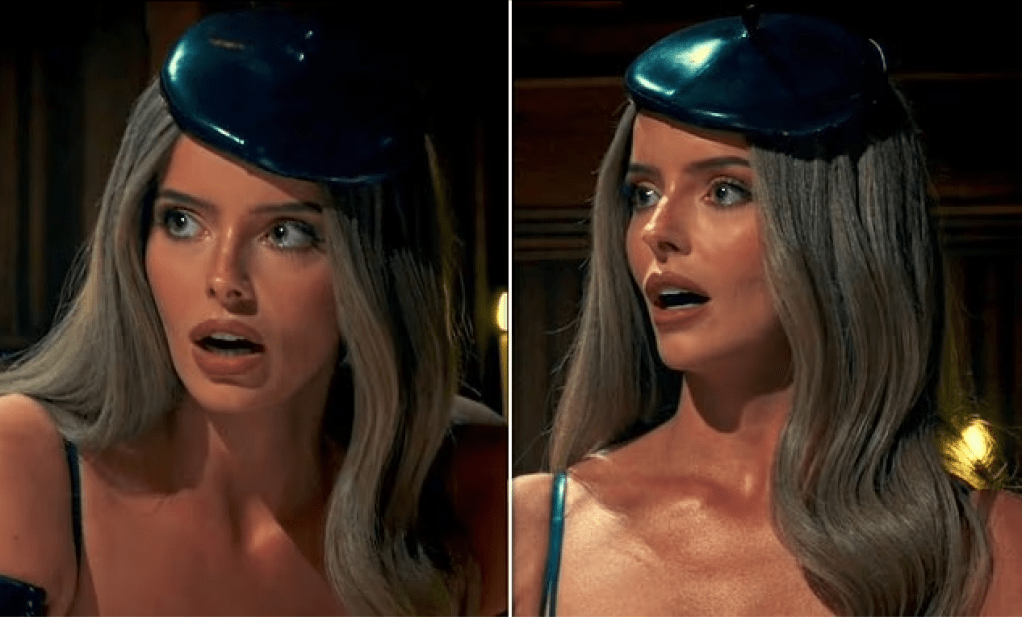
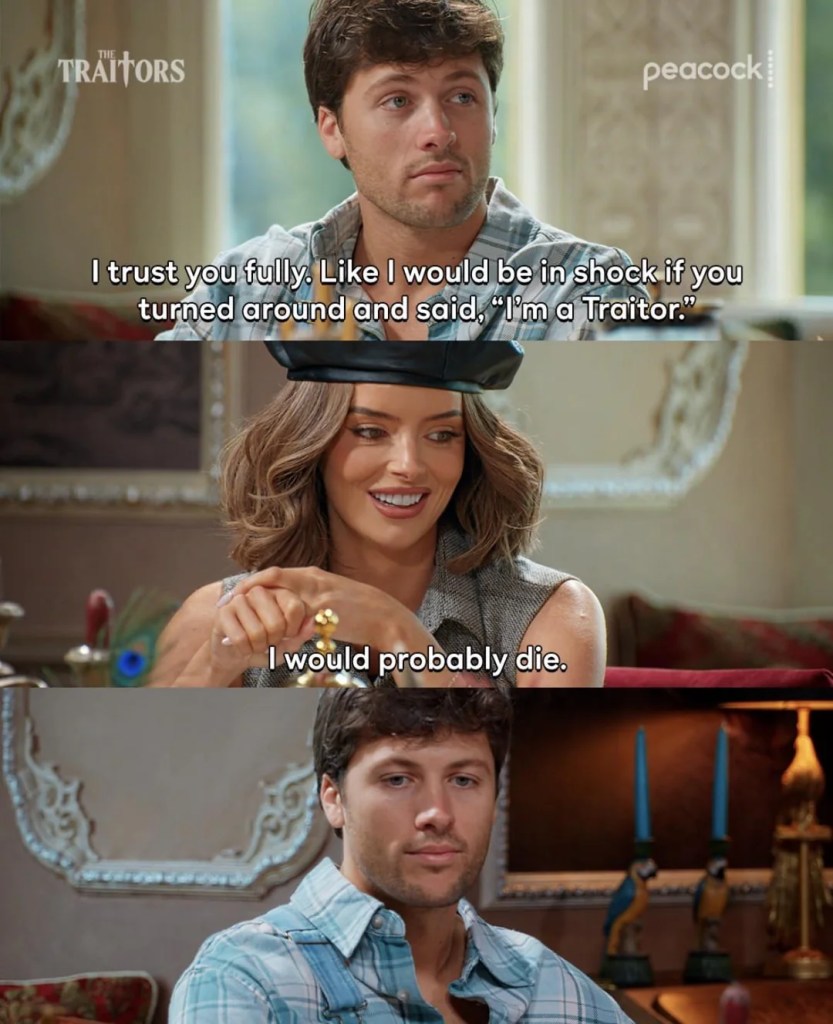
Traitors watchers may never recover from the look of shock and betrayal on Maura Higgins’ face when she realizes her castle bestie Rob Rausch has been lying through his teeth their entire tenure of filming. It was heartbreaking. It was gut-wrenching. That look is one that all too many of us have experienced in our lifetimes. And yet, it was so painfully obvious to the viewers throughout the season that her trust and allegiance were being weaponized against her. Maura is heard wondering why she is still in the castle on more than one occasion, and, at least according to editing, never once questioned if the reason she was being kept around was because of her blind allegiance to the traitors of all traitors, Rob R. So how did Maura end up in the position to feel humiliated and call herself “stupid” on national television? She had never met Rob R. prior to filming, has publicly admitted that they had no romantic relationship, and stated on the Traitors reunion episode that the only reason she felt she could trust Rob was because they were both on Love Island together. And Maura wasn’t alone. Other faithfuls like Mark Ballas and Lisa Rinna admitted to trusting him at their own demise. Was there really something so special about this man that bred an entire army of blind allegiances on so little?
We’ve all been there, right? Hoping we can trust someone, trying to find reasons to believe them, hoping against all hope that they don’t add gasoline to that tiny ember of doubt in the back of our mind. The thing is, trust isn’t built over a 4-week period of filming. What the celebrities share is, at best, camaraderie. The truth is, trust takes time. It needs repeated, sustained actions. It requires consistently showing with your words and actions that you are reliable and honest. That is simply not achievable in a game where filming lasts all of 4 weeks and honesty can never be proven.
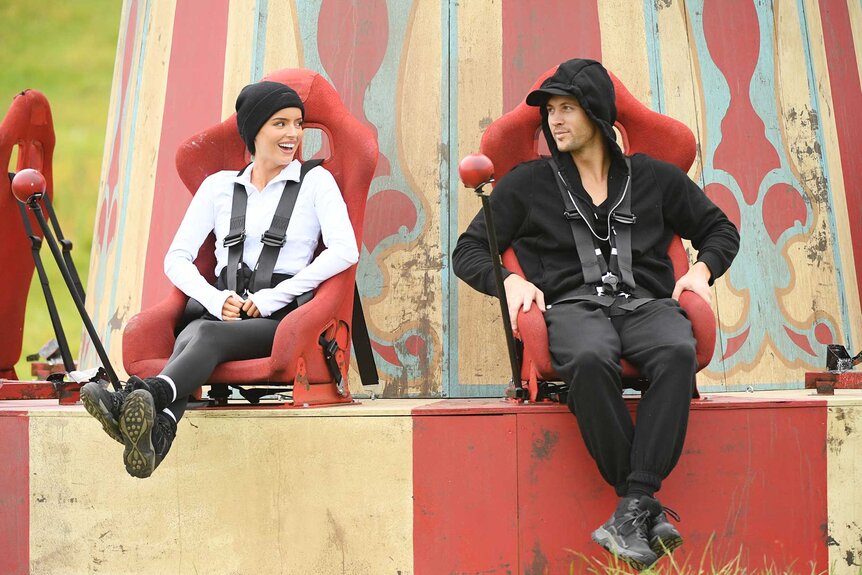
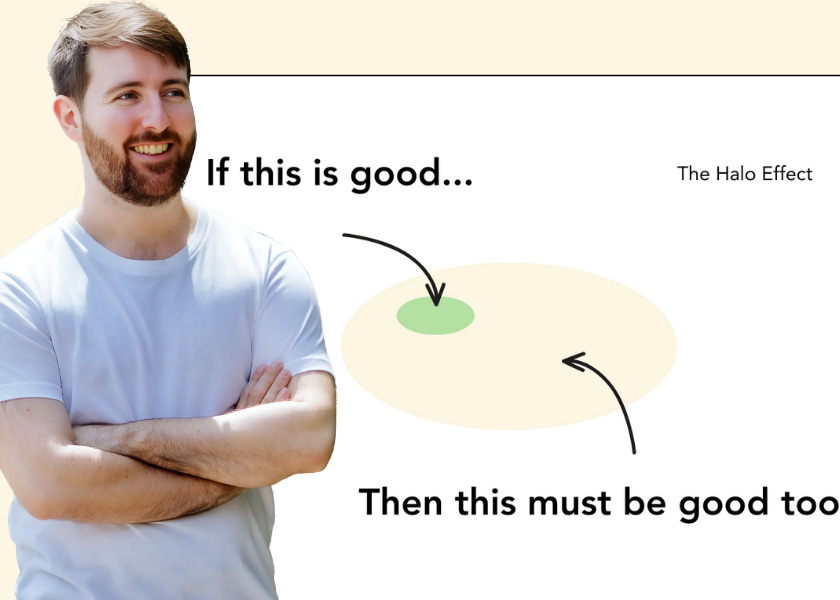
Maura had the cards stacked against her from the beginning. Rob R. is attractive, charismatic, and an excellent communicator. According to vast research in behavioral psychology, when we are uncertain about the trustworthiness of someone, we make inferences based on readily available information: sex, ethnicity, and attractiveness of the counterpart (Eckel and Wilson 464). While it may be obvious that these factors play absolutely no role in trustworthiness, our fickle, primal brains are connecting dots that just don’t exist. For Maura, Rob R. is physically attractive (by most women’s standards). He is also a white male, and while gender doesn’t have a strong correlation with perceived trust, ethnicity certainly does. There is also a bevy of research demonstrating that attractive individuals are often deemed more trustworthy. Often referred to as the “halo effect,” we engage in a cognitive bias where one positive trait often leads to assumptions about other positive traits: Because someone is attractive, they must also be kind and honest. Maura was likely a victim of the halo effect, projecting some of her positive feelings onto him because she found him attractive.
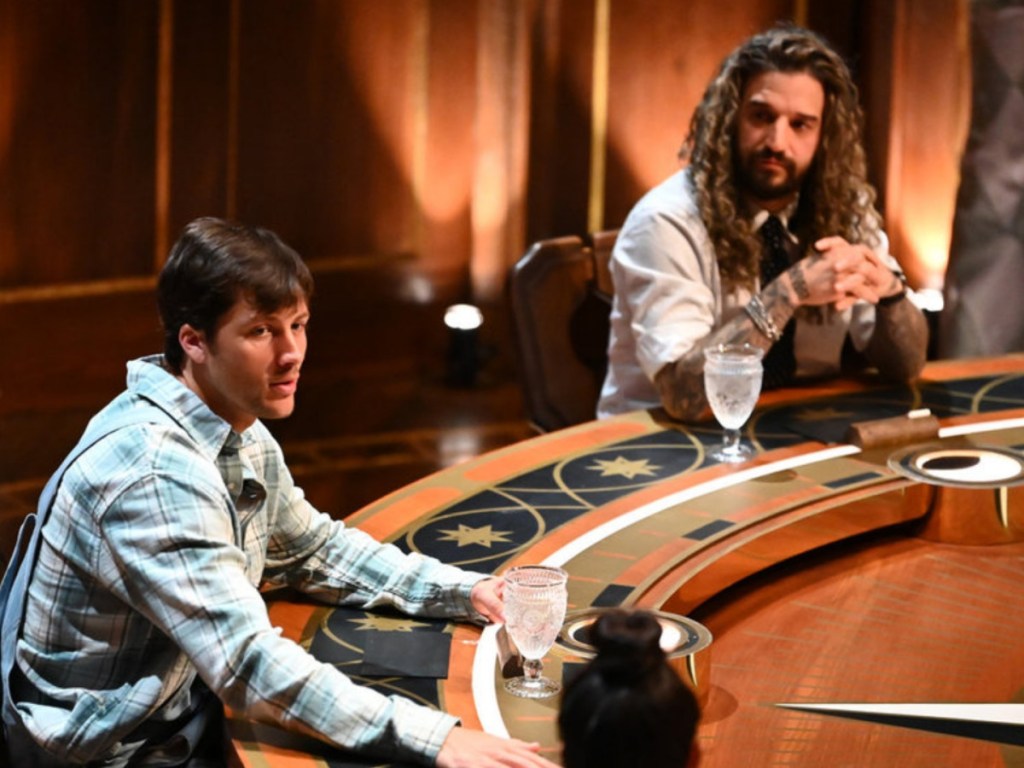
Rob R.’s physical features weren’t the only contributing factors to his trustworthiness. He also made direct, piercing eye contact with her, built trust through play like when he carried her over his shoulder in a challenge, and was consistent in his positive regard for her throughout the entirety of the game, all contributing to her false sense of trust. Meta-analyses of trustworthiness demonstrate that shared context and interpersonal cues strongly shape trusting decisions (Hancock et al.). Maura admitted that their Love Island tenure was an instant shared context that led her to believe she could trust him, though even she herself sounded skeptical of this logic as she was admitting this fact at the Traitors Reunion. Rob R was also really great at the interpersonal cues shared between himself and the other players of the game. He was often seen leaning into conversation, carrying an open, active-listening body posture, and making direct eye contact with his fellow castmates, all projecting trustworthiness to others.
Maura’s misguided trust of Rob R. was not entirely dependent on Rob’s actions and qualities, though. Maura appears to be a highly trusting individual, evidenced by her stated history of being cheated on by every man she’s ever dated. Being trusting of people generally has positive underlying contributing factors. Research shows that generalized trust may be motivated by people’s pro-social desire for being cooperative and trusting (Dunning et al.). In other words, Maura had an internal desire to be accepted in the group (and by Rob specifically), and so she was more inclined to appear cooperative and trusting of others in order to accomplish this acceptance. Similar research also posits that “People trust strangers … because they desire to experience happiness and personal satisfaction from being cooperative and trusting” (Yamagishi et al.). In a cutthroat game like Traitors where the stakes are high and friendships are tested, Maura and others emotionally benefited from their blind alliance with Rob.
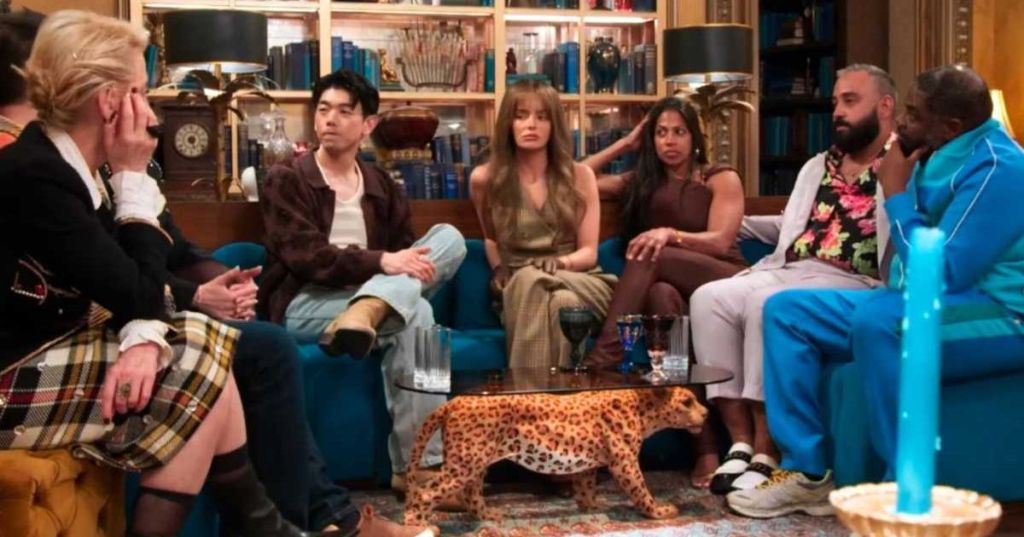
Trust in the context of the show came at the cost of $220,800, but, in real life, generalized trust can be much more costly: painful breakups, bruised egos, crushed dreams, and more. At the end of the day, Maura’s Traitors fate can serve as a cautionary tale. When getting to know someone, starting a new job, or entering into a new business deal, it’s important to check our biases and look for the facts. It’s vital to be skeptical. It’s okay to question. We’ve all been the victim of deceit, misguided trust, and cognitive biases, hopefully on a much less costly scale, but still painful nonetheless. People stay in relationships far too long in the hope that their partner will become the person they believe them to be. We ignore the facts and the countless red flags because the need for that connection is louder than the voice in our head telling us to be cautious. We often give the benefit of the doubt because we hope the odds will play in our favor. We long to be able to trust others because it brings us closer together, and we do it again and again and again because the fact is, seeing what you hope to see in others is one of the most beautiful and cursed afflictions of our social species. We are, by nature, optimistic of others, even at our own demise.
Dunning, David, Detlef Fetchenhauer, and Thomas Schlösser. “Why People Trust: Solved Puzzles and Open Mysteries.” Current Directions in Psychological Science, vol. 28, no. 4, 2019, pp. 366–371. https://doi.org/10.1177/0963721419838255.
Eckel, Catherine C., and Rick K. Wilson. “Is Trust a Risky Decision?” Journal of Economic Behavior & Organization, vol. 55, no. 4, 2004, pp. 447–465.
Hancock PA, Kessler TT, Kaplan AD, Stowers K, Brill JC, Billings DR, Schaefer KE and Szalma JL (2023) How and why humans trust: A meta-analysis and elaborated model. Front. Psychol. 14:1081086. doi: 10.3389/fpsyg.2023.1081086.
Yamagishi, Toshio, et al. “Two-Component Model of General Trust: Predicting Behavioral Trust from Attitudinal Trust.” Social Cognition, vol. 33, no. 5, 2015, pp. 436–458.https://doi.org/10.1521/soco.2015.33.5.436


Leave a Reply